Get Rubber Roof Installation in Mechanicsville, VA
Local contractors in Mechanicsville, VA, can install rubber roofs to repair leaks, improve durability, and handle projects like flat roofs, commercial buildings, or home renovations.
Property owners in Mechanicsville, VA, exploring roof upgrade options often consider rubber roofing for its durability and long-term performance. Rubber roof installation can be a practical choice for commercial buildings, residential flat roofs, or structures needing reliable weather resistance. As you plan your project, understanding the benefits of rubber roofing and comparing local contractors can help ensure the work meets your property’s specific needs.
By exploring options for rubber roof installation, property owners can find experienced service providers who specialize in this type of work within the Mechanicsville area. Taking the time to review local contractors allows for informed decisions and helps identify professionals with the expertise to handle the installation effectively. Keep reading to learn more about how to connect with qualified service providers for your roofing project.
- Commercial buildings - property owners in need of durable roofing solutions for retail centers or warehouses in Mechanicsville, VA may seek rubber roof installation.
- Residential homes - homeowners in neighborhoods like Hanover or New Market might consider rubber roofing to enhance their property's weather resistance.
- Industrial facilities - factories and manufacturing plants requiring long-lasting, weatherproof roofing systems often look for local contractors experienced in rubber roof installation.
- Renovation projects - property managers upgrading older roofs in areas such as Ashland or Glen Allen may need expert installation of rubber roofing materials.
- New construction - builders constructing commercial or residential developments in the Mechanicsville area often collaborate with local service providers for rubber roof installation.
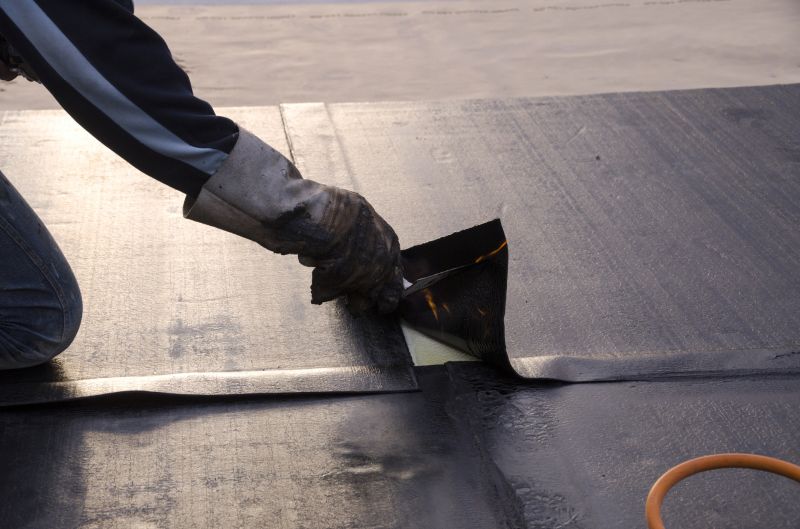
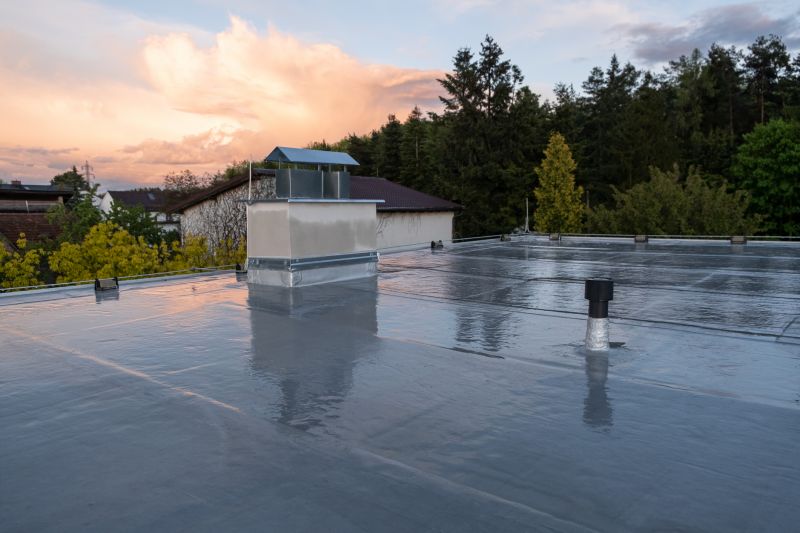
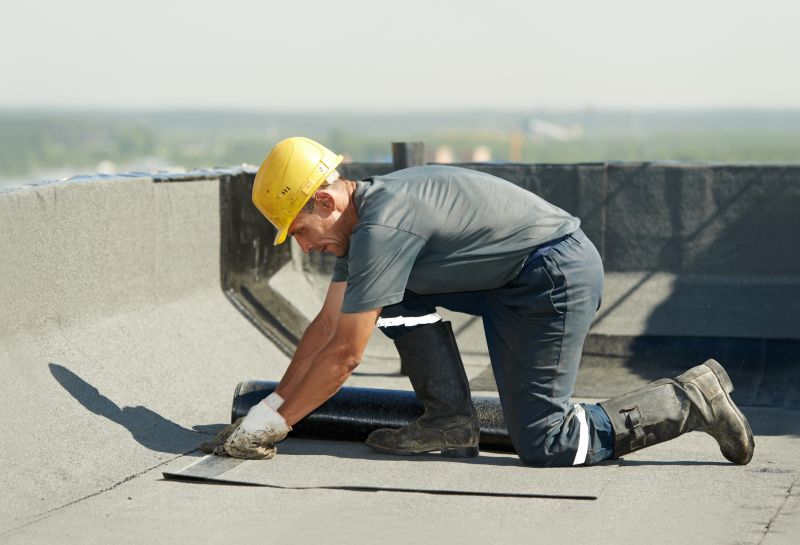
Rubber roof installation involves applying a durable, flexible membrane made from synthetic rubber materials, such as EPDM or TPO, to the roof surface of a property. This process typically includes preparing the existing roof, installing insulation if needed, and carefully laying down the rubber membrane to create a seamless, waterproof barrier. The installation is designed to provide a long-lasting solution that can withstand various weather conditions, helping to protect the underlying structure from water infiltration and damage.
This service is often sought after for properties experiencing leaks, ponding water, or frequent weather-related wear and tear. Rubber roofing can effectively address issues caused by aging materials, cracks, or punctures that compromise the roof’s ability to keep moisture out. It also offers a reliable solution for properties that need a roof upgrade to improve energy efficiency or to replace an older, deteriorating roof system that no longer performs adequately.
Properties that typically use rubber roof installation include residential homes, especially those with flat or low-slope roofs, as well as commercial buildings, garages, and outbuildings. Homeowners with flat rooftops or areas prone to standing water may choose rubber roofing for its waterproof qualities and ease of maintenance. Commercial property owners often prefer rubber roofs because of their durability, cost-effectiveness, and ability to cover large, flat surfaces without seams that can leak.
Homeowners considering rubber roof installation usually do so when their current roof shows signs of aging, such as curling, cracking, or visible wear. It is also a practical choice for those looking to replace an existing flat roof that has become unreliable or costly to repair. Local service providers specializing in rubber roofing can assess the specific needs of a property and recommend the best approach to ensure a secure, weather-resistant roof that enhances the property's value and longevity.
The overview below groups typical Rubber Roof Installation projects into broad ranges so you can see how smaller, mid-sized, and larger jobs often compare in Mechanicsville, VA.
In many markets, a large share of routine jobs stays in the lower and middle ranges, while only a smaller percentage of projects moves into the highest bands when the work is more complex or site conditions are harder than average.
Smaller Repairs - Typically, local contractors charge between $250 and $600 for minor patching or sealing projects on rubber roofs. Many routine repairs fall within this range, depending on the size and complexity of the area.
Partial Roof Replacement - Replacing a section of a rubber roof usually costs between $1,500 and $3,500. Larger, more involved projects can reach up to $5,000 or more, but most fall within the middle of this range.
Full Roof Replacement - Complete installation of a new rubber roof generally ranges from $5,000 to $12,000, with larger or more complex structures sometimes exceeding this. Many full replacements are priced in the lower to middle part of this spectrum.
Additional Costs - Extra expenses such as removal of old roofing, insulation, or custom features can add to the overall cost. These extras are less common but can significantly impact the total, especially on larger projects.
Actual totals will depend on details like access to the work area, the scope of the project, and the materials selected, so use these as general starting points rather than exact figures.
Flat roof replacement - local contractors experienced in flat roof systems often have skills applicable to rubber roof installation, including surface prep and waterproofing techniques.
Commercial roofing projects - service providers handling commercial roofs are familiar with large-scale waterproofing and membrane applications similar to rubber roofing.
Roof membrane repairs - professionals skilled in repairing roof membranes can also install new rubber roofing systems, ensuring proper sealing and adhesion.
Deck and balcony waterproofing - waterproofing decks and balconies requires similar planning and materials as rubber roof installations to prevent leaks and water damage.
EPDM roofing installation - contractors experienced with EPDM roofing utilize comparable tools and techniques as those used for rubber roof systems.
Roof insulation upgrades - upgrading roof insulation involves planning and installation skills that complement rubber roofing projects, especially in moisture-prone areas.
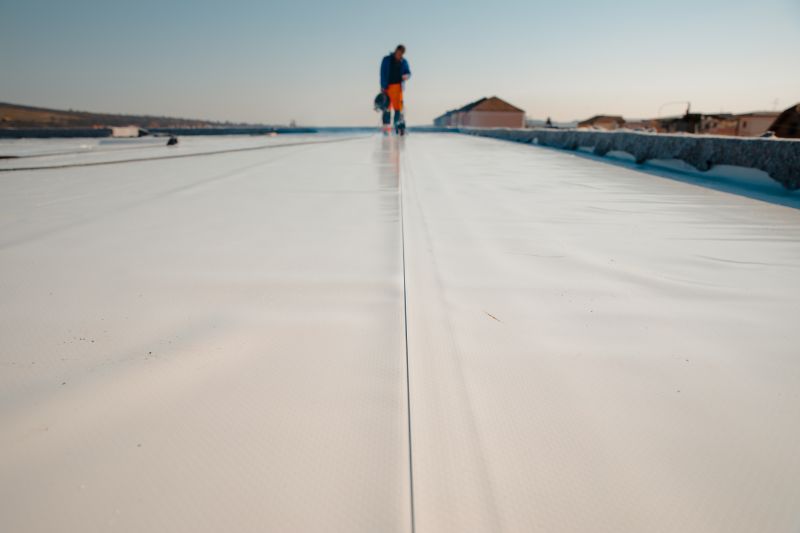
When evaluating contractors for rubber roof installation, it’s important to consider their experience with similar projects. Homeowners should inquire about how many rubber roofing jobs the service providers have completed in Mechanicsville, VA, and nearby communities. A contractor with a proven track record in installing rubber roofing systems is more likely to understand the nuances of the material, proper installation techniques, and potential challenges that may arise. This experience can help ensure the project proceeds smoothly and meets expectations, reducing the risk of future issues related to improper installation or material handling.
Clear, written expectations are essential when comparing local contractors. Homeowners should seek detailed proposals that outline the scope of work, materials to be used, and any warranties or guarantees offered. Having this information in writing helps prevent misunderstandings and provides a reference point throughout the project. It’s also beneficial to ask how the contractor plans to approach the installation process, including preparation and cleanup, so that expectations are aligned from the start. Well-documented plans and agreements contribute to a smoother project and help ensure that everyone is on the same page.
Reputable references and good communication are key factors in selecting a reliable service provider. Homeowners can ask potential contractors for references from previous clients who had similar rubber roofing projects. Speaking with past customers can provide insight into the contractor’s professionalism, quality of work, and adherence to timelines. Additionally, effective communication-such as prompt responses to questions and clarity in explanations-can make the entire process more manageable. Service providers who are transparent and responsive often demonstrate a commitment to customer satisfaction, which can be a valuable indicator when choosing a local contractor for rubber roof installation.
Property owners in Mechanicsville, VA use Rubber Roof Installation services for practical projects around their homes and businesses. This guide focuses on everyday jobs and straightforward project options.
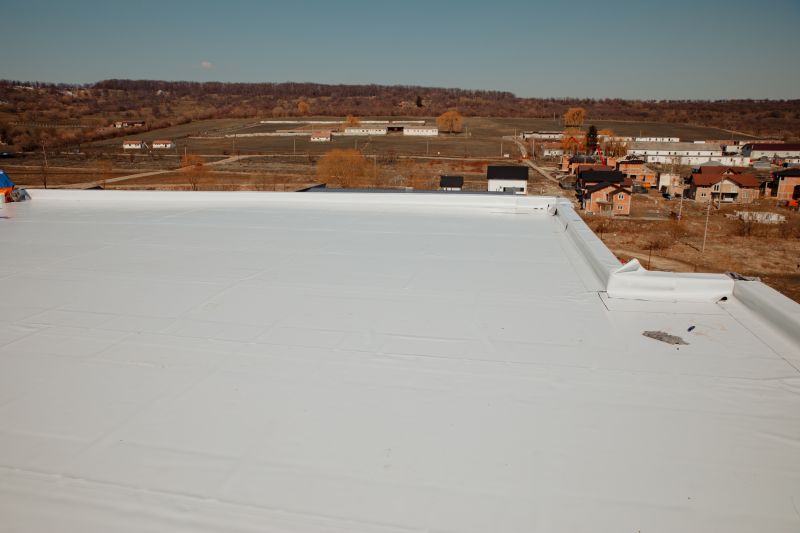
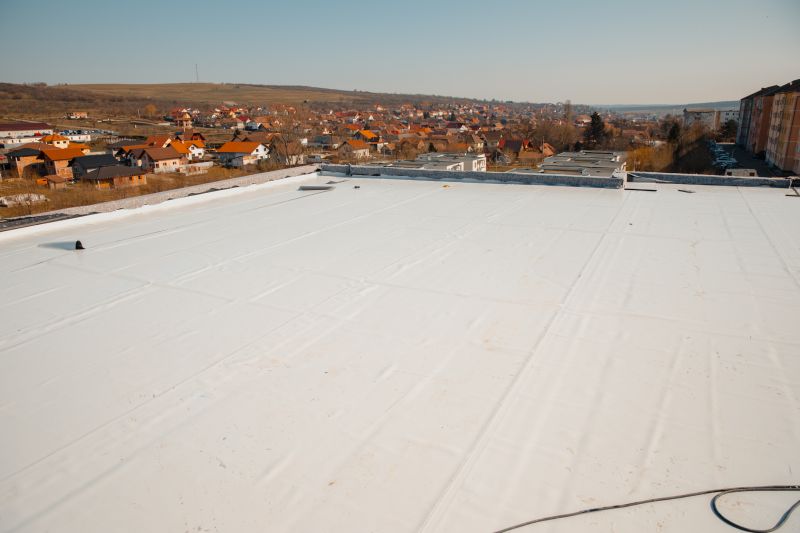
Property owners in Mechanicsville, VA may seek rubber roof installation services when their existing roofing materials have become worn, cracked, or leaky, especially after harsh weather conditions common in the area. Whether dealing with aging roofs or planning a new construction project, local contractors can provide the expertise needed to ensure a durable and weather-resistant roof. Homeowners and business owners might also look for professional installation if they want to improve energy efficiency or reduce long-term maintenance costs, making sure their property remains protected year-round.
In addition, property owners often consider rubber roofing when they need a reliable solution for flat or low-slope roofs, which are common in commercial buildings and some residential designs in Mechanicsville. Local service providers can assist with installations that offer flexibility, longevity, and resistance to ponding water. Those facing issues like recurring leaks or seeking to upgrade their roofing system to better withstand local weather patterns may find that connecting with experienced contractors helps achieve a lasting, effective roof that meets their specific property needs.
What are the benefits of installing a rubber roof? Rubber roofs are known for durability, flexibility, and resistance to weather conditions, making them a popular choice for many properties.
How long does a rubber roof installation typically last? While installation duration varies, rubber roofs are designed to provide long-lasting protection with proper maintenance.
What types of buildings are suitable for rubber roof installation? Rubber roofing can be installed on a variety of structures, including residential homes, commercial buildings, and flat roofs.
Is rubber roof installation suitable for existing roofs? Yes, many local contractors can install rubber roofing over existing roofs, depending on the condition and structure of the current surface.
What preparation is needed before a rubber roof installation? Proper surface preparation, including cleaning and repair of the existing roof, is essential for a successful rubber roof installation by local service providers.
Preventing Leaks and Water Damage - Rubber roof installation can help property owners protect their buildings from water intrusion during heavy rain or storms.
Upgrading Aging Roofing Systems - Homeowners with older roofs might consider rubber roofing as a durable option to extend the life of their property’s exterior.
Creating a Flat Roof Space - Property owners planning to add a rooftop deck or green space can work with local contractors to install a reliable rubber roof.
Improving Energy Efficiency - Rubber roofing can contribute to better insulation, helping property owners manage indoor temperatures more effectively.
If you are thinking about Rubber Roof Installation for a property in Mechanicsville, VA, this guide is meant to help you understand the work, the typical project types, and how different options might fit your plans.
When you are ready, you can use the quote form on this page to share a few details about your project. From there, local pros can review the basics and respond with options that match what you have in mind.